


A place to unwind
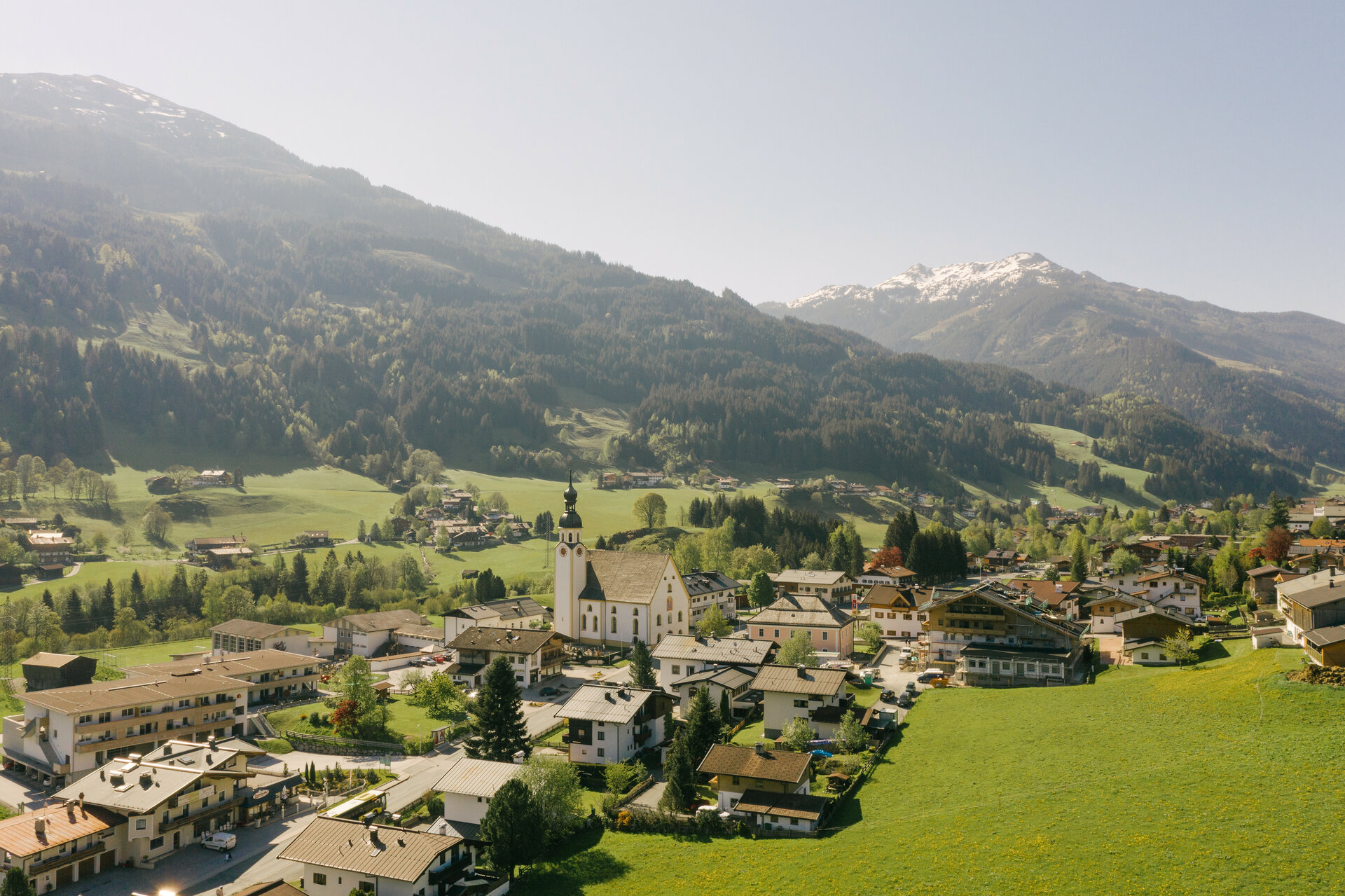
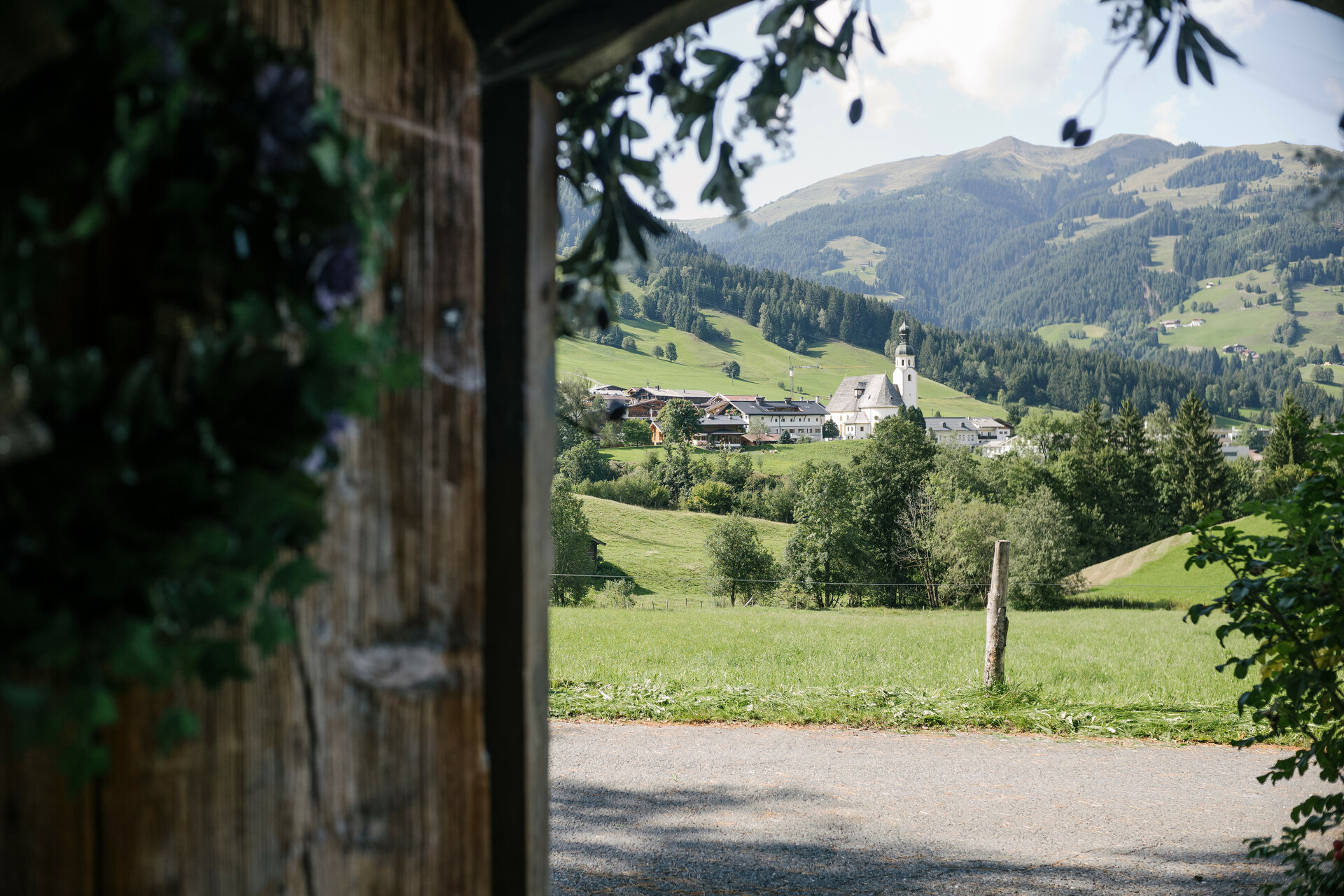
Surrounded by mountains and shaped by water, Jochberg combines nature, tradition and village charm in a unique way. Known as the “Water Village”, it is home to countless fountains, the impressive Sintersbach Waterfall and an idyllic forest swimming pool. Historic farmhouses and the Baroque parish church of St. Wolfgang reflect the village’s deep-rooted traditions and authentic Tyrolean character.
Did you know? Jochberg is an official hiking village and therefore an ideal starting point for outdoor recreation.


Jochberg at a glance
The history of Jochberg has long been shaped by mining. Copper was already being mined in the region over 3,000 years ago, while the Kupferplatte mine itself operated from 1447 until 1926. Today, the former mine has been transformed into an exhibition mine and offers fascinating insights into the village’s mining past.
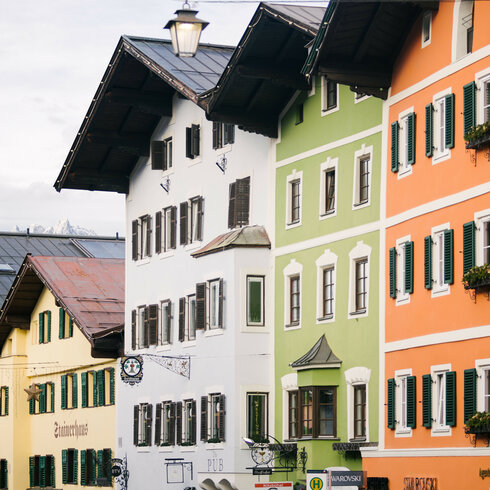
Alongside the parish church, the Schwarzer Adler inn in the village centre is one of Jochberg’s most historic buildings. Dating back to 1482, it was once run by Anton Oppacher, a loyal supporter of Andreas Hofer during the Tyrolean Rebellion against Bavarian and French rule in the early 19th century.
GRANDER® water revitalisation systems have been used around the world in homes, hotels, agriculture and many other areas where water is consumed. Developed in Tirol, the system is designed to enhance the natural quality and vitality of water without the use of chemicals or additives.
Winter tourism in Jochberg began to grow rapidly in 1959, when the Kitzbüheler Alpen Seilbahnen AG built the village’s first chairlift from Jochberg to the Wagstättalm. The lift officially opened on 6 December 1959 and marked the beginning of a new era for skiing in the village.
As skiing became increasingly popular, the lift network continued to expand over the following decades. New T-bar lifts such as Hausleiten, Wurzhöhe, Talsen and Bärenbadkogel gradually opened, connecting more of the mountain terrain and helping shape Jochberg into an important part of the KitzSki area.
From the 1980s onwards, many of the older lifts were replaced with modern chairlifts and gondolas, significantly improving comfort and capacity. A major milestone followed in 2004 with the opening of the 3S-Bahn gondola, linking Jochberg directly with the Kitzbühel ski area around Pengelstein and Hahnenkamm. This connection created one of the most renowned interconnected ski areas in the Alps.
Another important development came in 2013 with the opening of the modern Wagstättbahn gondola, replacing the previous chairlift and T-bar system. Today, Jochberg forms an integral part of the award-winning KitzSki ski area, whose slopes remain especially popular with locals and returning guests thanks to their scenic setting, variety and excellent conditions.
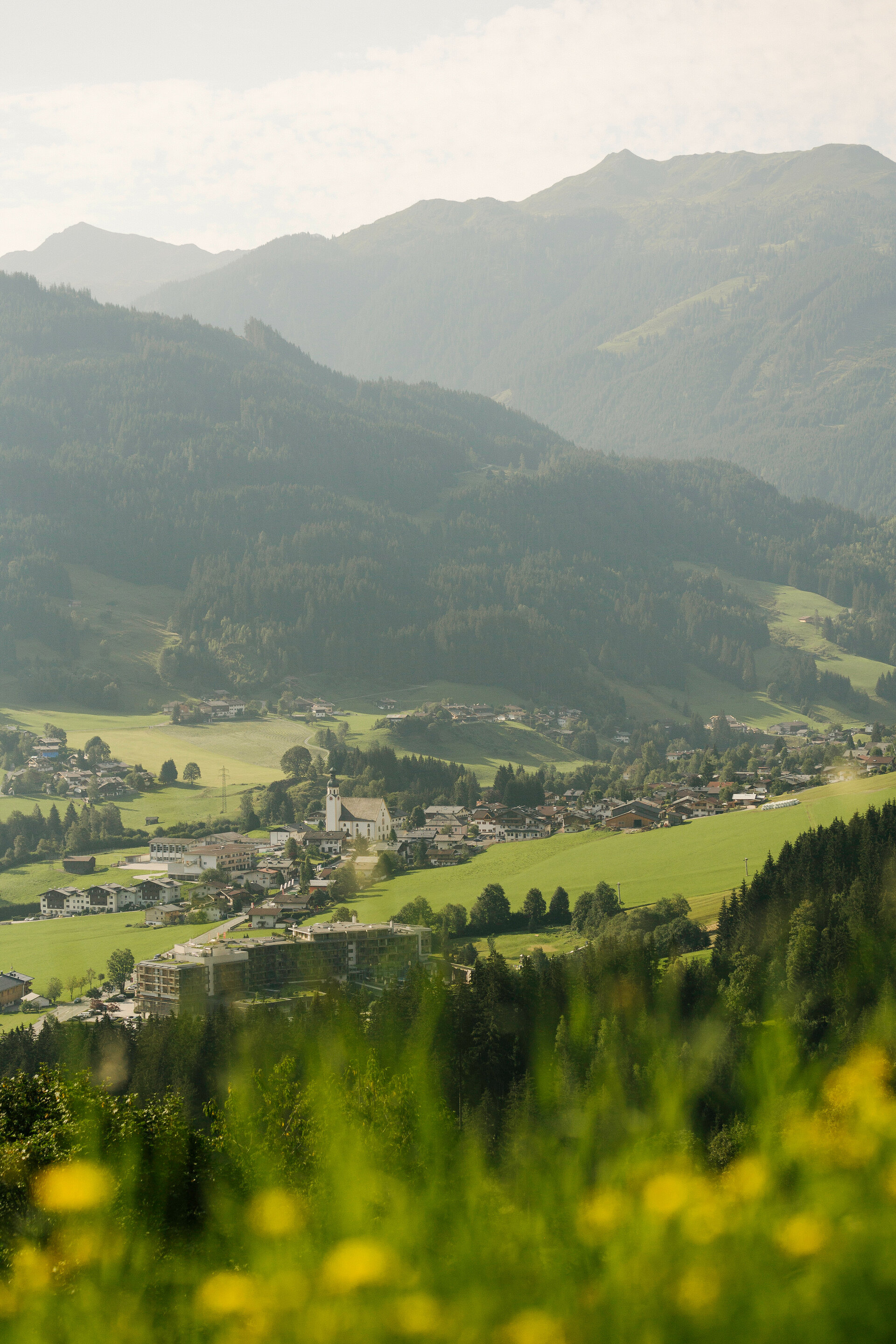
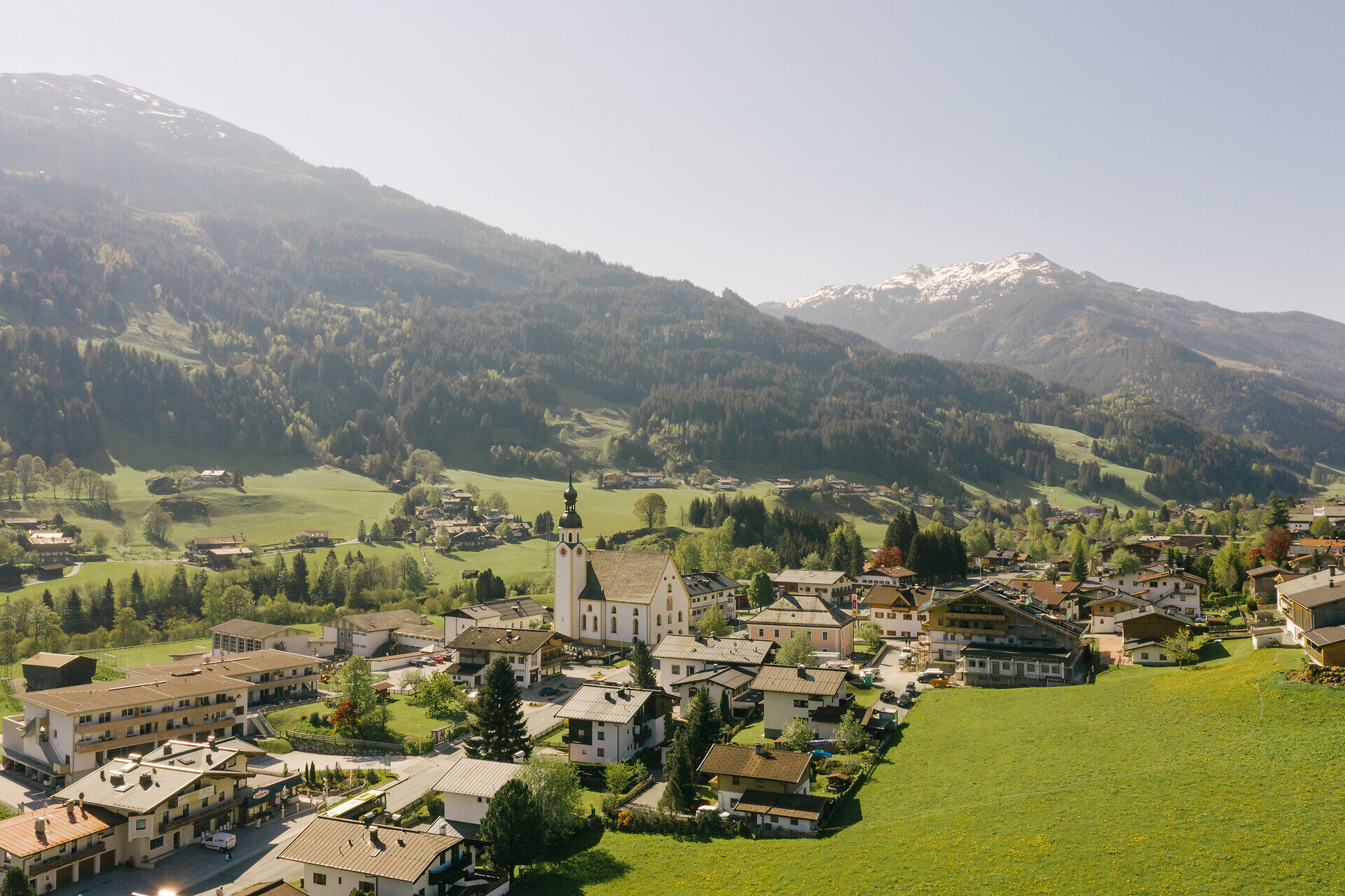
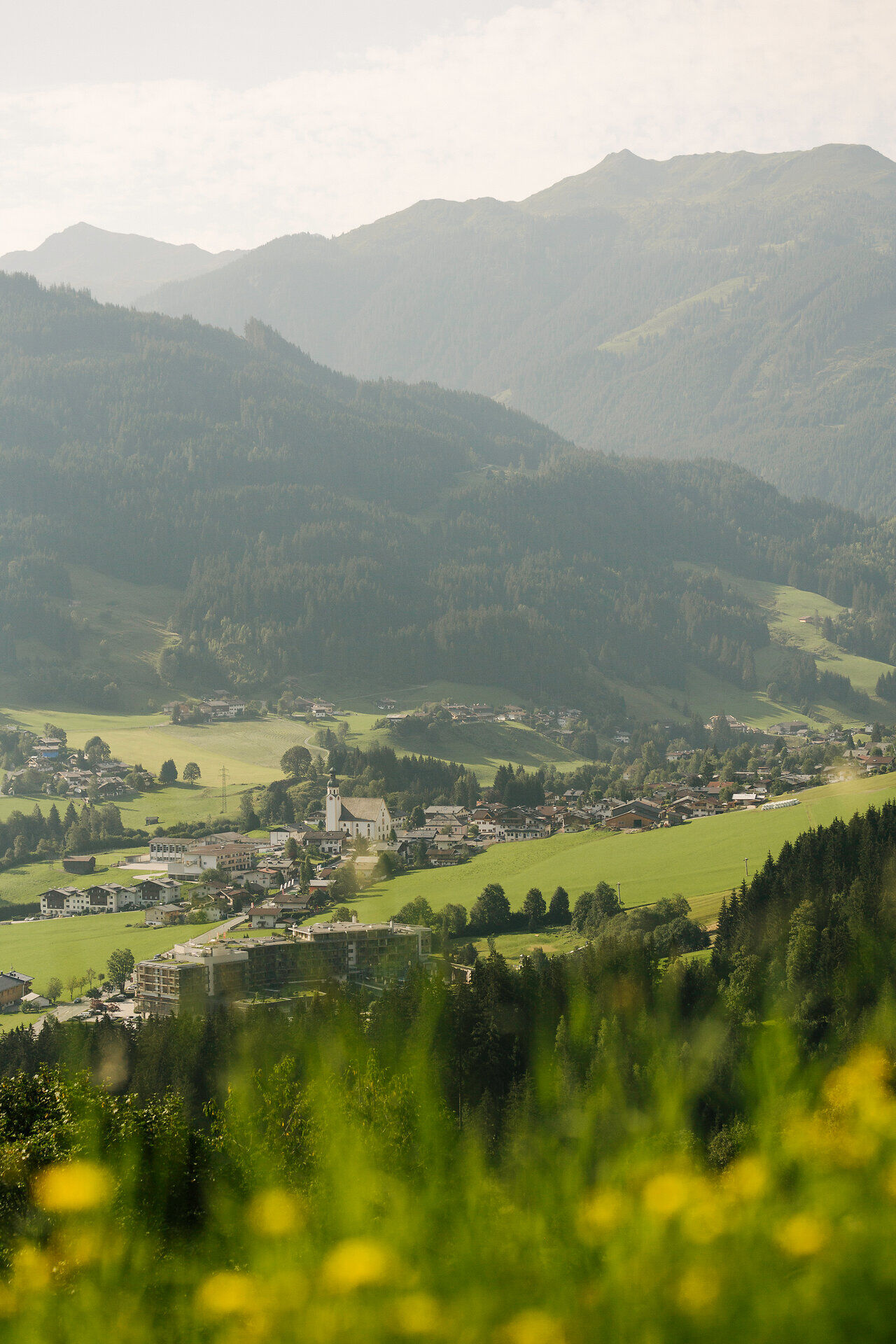
Summer in Jochberg
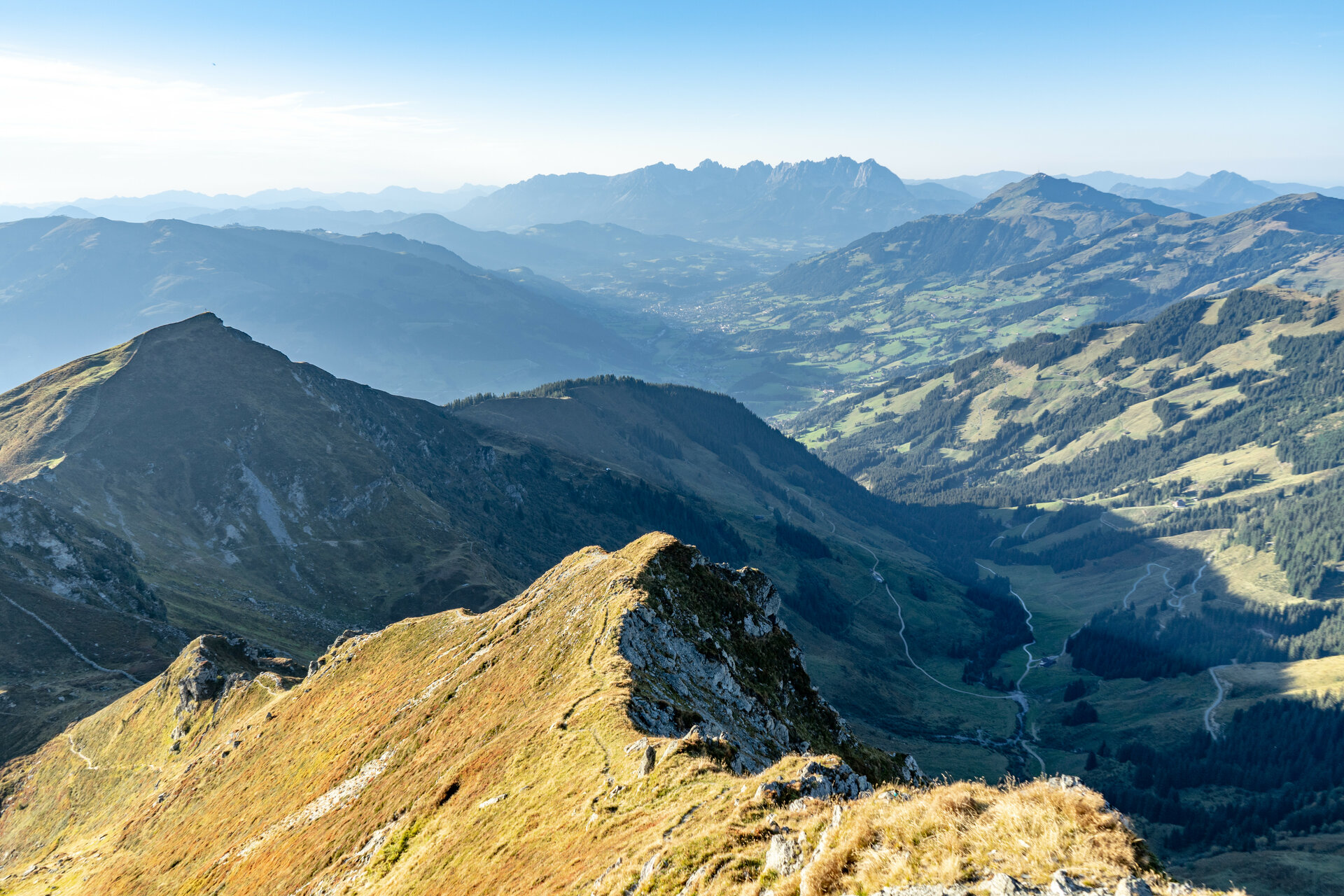
Around 10 km south of Kitzbühel, the village of Jochberg sits within the gentle grassy mountains of the Kitzbühel Alps at an altitude of 924 metres. Rising high above the valley is the striking Gaisstein at 2,363 metres — the highest peak in the Kitzbühel region — known for its wide panoramic views and rewarding mountain experiences in both summer and winter.
Hundreds of kilometres of well-maintained hiking trails surround the village. Routes such as the Jochberger Höhenweg lead through quiet alpine landscapes with sweeping views across the southern Kitzbühel mountains. Natural highlights include the impressive Sintersbach Waterfall and the nearby Drachenweg trail, as well as hikes up the Gaisstein itself.
Tip: Historic wells can still be found throughout Jochberg, recalling a time when they provided an essential year-round water source for local farms and residents.
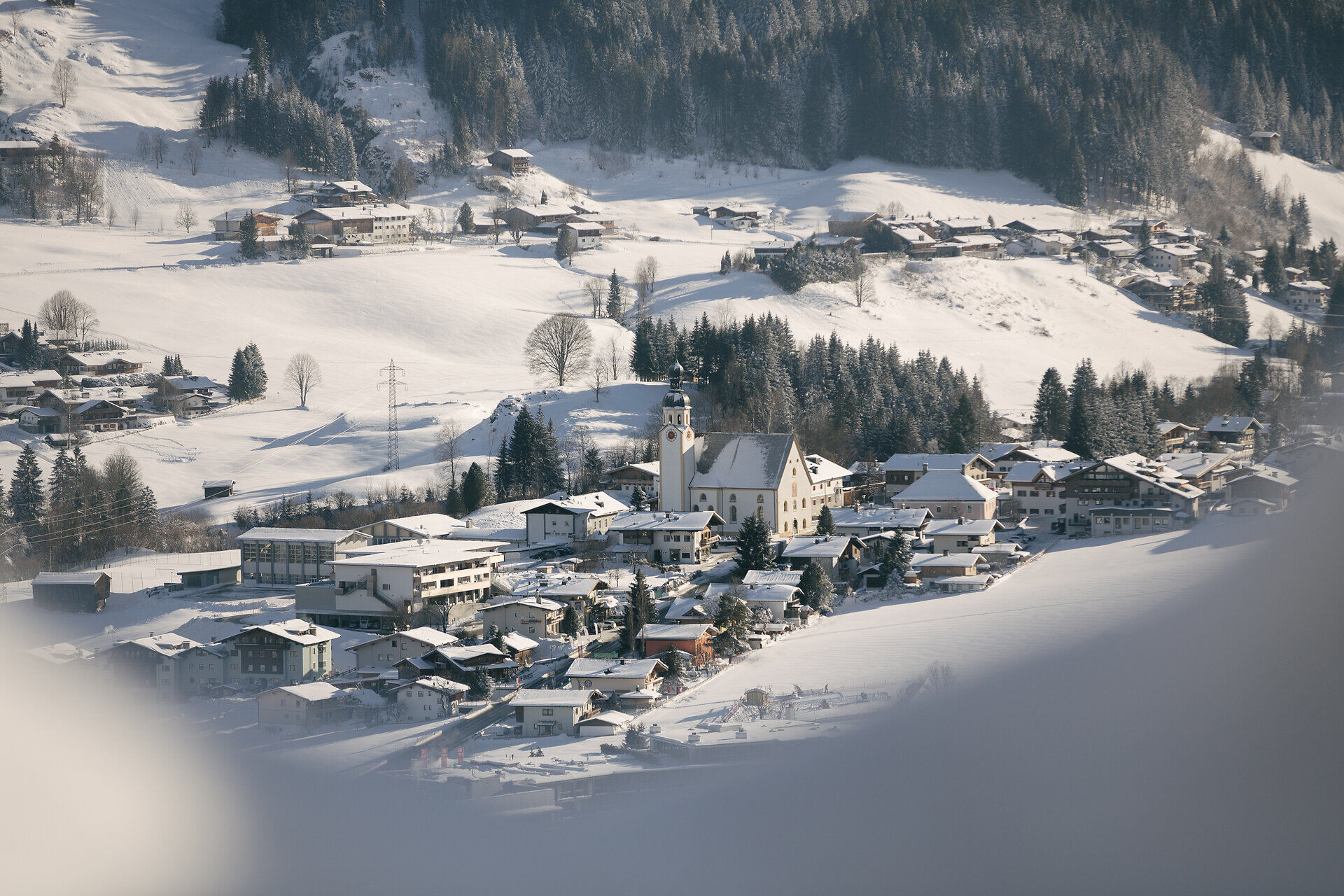
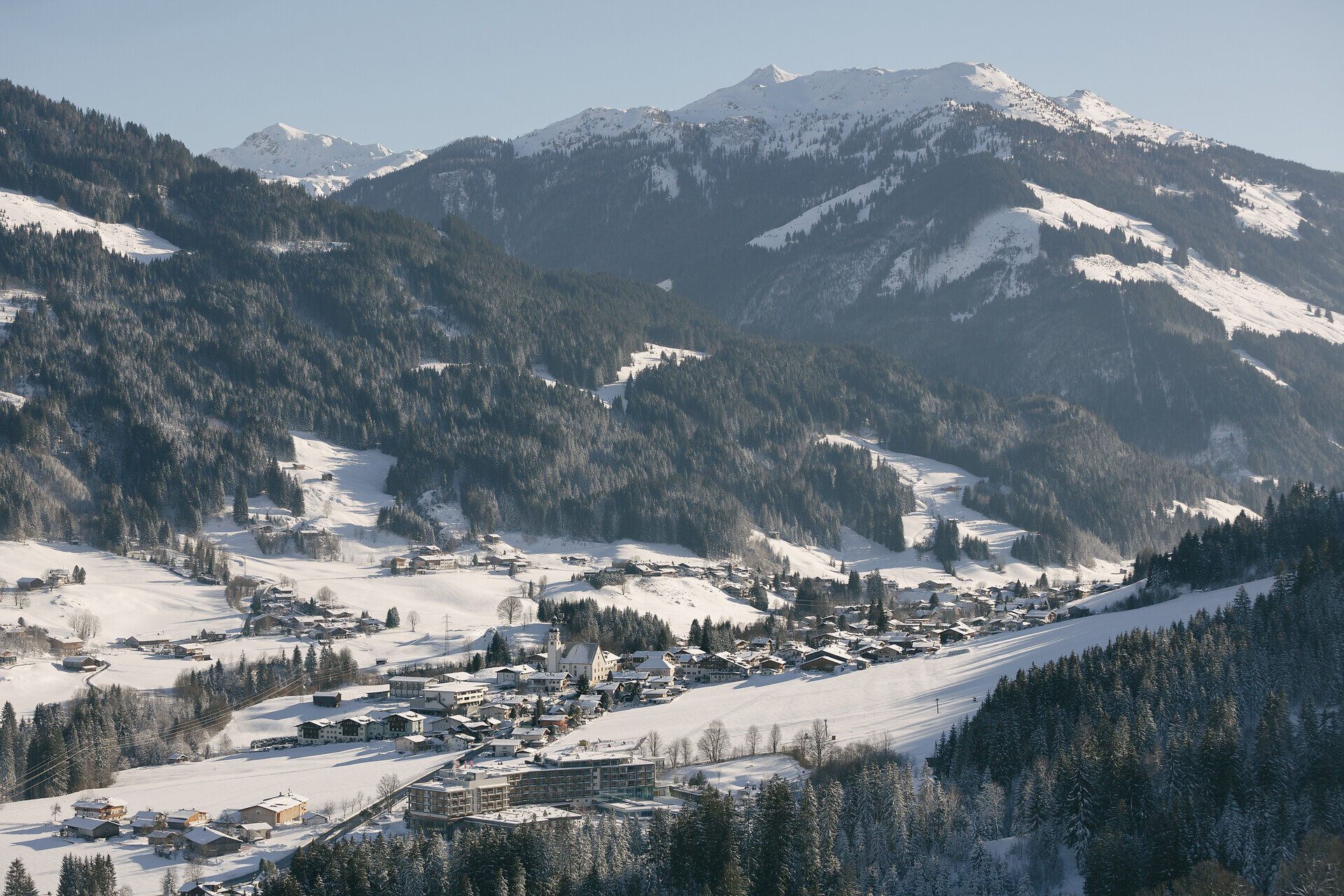
Winter in Jochberg
In winter, Jochberg offers direct access to a wide variety of slopes within the KitzSki ski area. From the village centre, the modern Wagstätt gondola lifts skiers straight onto the mountains, with routes leading either towards Kitzbühel or south towards Pass Thurn and the panoramic views of the Höhe Tauern National Park. At the end of the day, the popular piste no. 60 brings skiers all the way back down into the village.
For beginners and children, the Hausleiten drag lift next to the Kempinski Hotel Das Tirol offers the perfect place to start. Gentle slopes and professional ski schools provide an ideal setting for learning the basics and building confidence on snow.
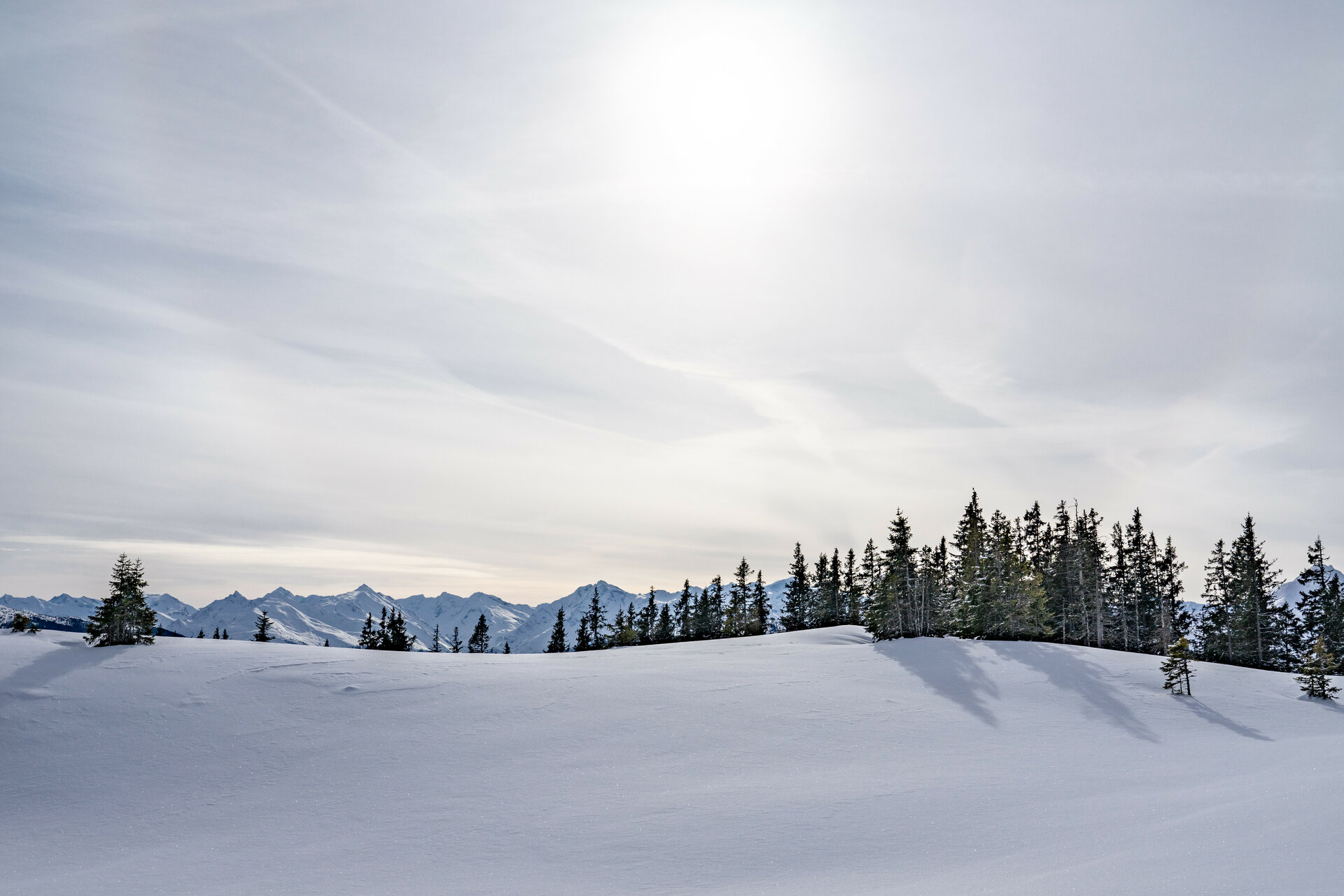
Cross-country skiers will find perfectly prepared trails starting directly in Jochberg, while winter walking paths lead through peaceful snow-covered landscapes on crisp winter days. Afterwards, traditional Tyrolean dishes and award-winning cuisine await in the village’s cosy restaurants.
Tip: On Friday evenings, the Wagstätt piste is open to ski tourers. The route leads up to the Jägerwurz restaurant — a popular stop for a well-earned meal before skiing back down under the stars. Don’t forget a head torch.

FAQ
Jochberg is located around 10 kilometres south of Kitzbühel and is easily accessible. Its setting in the grass covered Kitzbühel mountains makes it a particularly attractive destination for enjoying the great outdoors.
In summer, Jochberg — an officially recognised Austrian Hiking Village — offers an extensive network of well-marked hiking trails and excellent mountain infrastructure. Highlights include the impressive Sintersbach Waterfall and hikes to the Blaulacke (Blue Lake) via the Bruggeralm.
Jochberg is an ideal base for alpine skiing, cross-country skiing and winter hiking. Modern lifts provide direct access to the KitzSki ski area around Kitzbühel, while the quieter mountain surroundings also make the village a popular starting point for ski touring.
Jochberg is ideal for those seeking peace and quiet, nature lovers and active holidaymakers. The village combines relaxation, exercise and authentic Tyrolean traditions.